
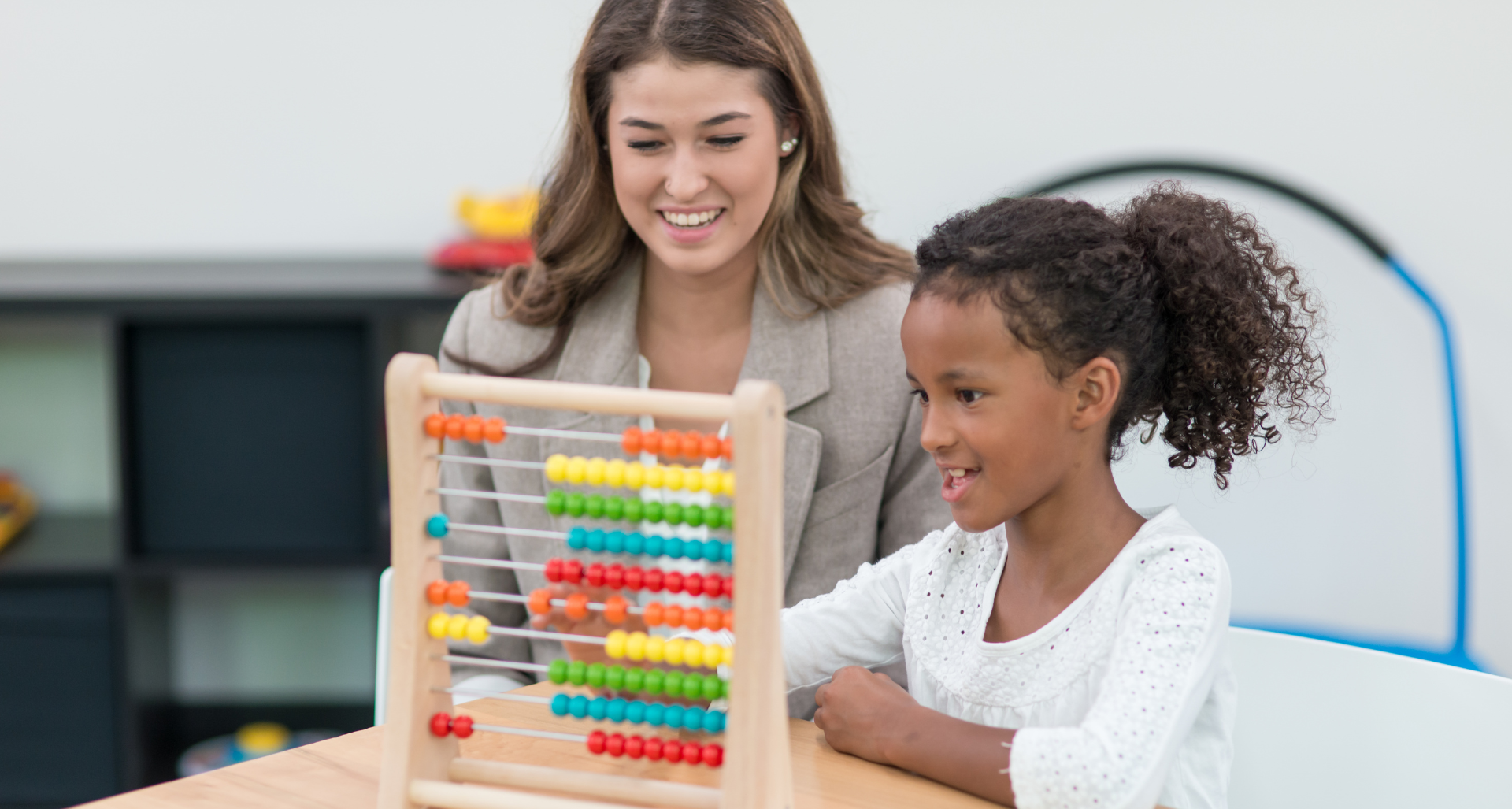
Independence doesn’t mean doing everything alone. For children, independence means feeling capable, confident, and supported as they learn to navigate their world in their own way.
This is the heart of occupational therapy.
Occupational therapy is not about rushing children to be more grown-up or pushing them to meet someone else’s expectations. It is about helping children build the skills they need to participate in everyday life — dressing themselves, playing with others, managing their emotions, and engaging in school — while honoring their unique strengths and challenges.
When we view independence through a compassionate lens, occupational therapy becomes less about “skills” and more about self-trust.
What Does Occupational Therapy Do?
Occupational therapy supports children in developing the skills needed for daily living, learning, and play — the “occupations” of childhood.
For children, these occupations include:
- Getting dressed
- Eating and feeding themselves
- Playing and interacting with others
- Participating in school routines
- Managing emotions and sensory input
Occupational therapy looks at how a child interacts with their environment and asks: What supports would help this child participate more fully and comfortably?
Rather than focusing only on outcomes, occupational therapy focuses on the process — how a child’s body, mind, and nervous system work together.
An occupational therapist may support:
- Fine motor skills (grasping, writing, using utensils)
- Sensory processing and regulation
- Emotional regulation and coping
- Attention and executive functioning
- Daily living skills like dressing, grooming, and feeding
Importantly, occupational therapy is highly individualized. What independence looks like for one child may look very different for another — and both are equally valid.
Occupational therapy helps children experience success in small, meaningful ways, building confidence over time.
What Is the Difference Between OT and PT?
Families often wonder about the difference between occupational therapy (OT) and physical therapy (PT), especially since both support movement and development.
While there is overlap, the focus of each is distinct.
Occupational Therapy (OT)
Occupational therapy focuses on functional participation — how a child uses their abilities to engage in daily life.
OT addresses:
- Fine motor skills
- Sensory processing
- Self-care tasks
- Emotional regulation
- School and play participation
The goal of occupational therapy is not just movement, but meaningful participation.
Physical Therapy (PT)
Physical therapy focuses more specifically on gross motor skills and physical mobility.
PT addresses:
- Strength and endurance
- Balance and coordination
- Walking, running, jumping
- Recovery from injury or physical conditions
In simple terms:
- Physical therapy helps children move their bodies
- Occupational therapy helps children use those movements to live their lives
Both therapies often work beautifully together, especially for children with complex developmental needs.
What Is an Example of Occupational Therapy?
An example of occupational therapy can look very different depending on the child — and often looks like play rather than “therapy.”
Here are a few real-world examples:
Example 1: Supporting Dressing Skills
A child who struggles with dressing may work on:
- Hand strength through play
- Sequencing steps using visual supports
- Sensory tolerance for clothing textures
Occupational therapy supports independence by breaking tasks into manageable steps and building skills gradually.
Example 2: Sensory Regulation
A child overwhelmed by noise, movement, or touch may work on:
- Recognizing body signals
- Using movement or deep pressure for regulation
- Creating sensory routines that support calm
Occupational therapy helps children understand their sensory needs rather than suppress them.
Example 3: Emotional Regulation
For a child who experiences big emotional reactions, occupational therapy may focus on:
- Identifying feelings
- Developing calming strategies
- Practicing transitions in a safe environment
This builds emotional independence — the ability to ask for help, take breaks, and recover from stress.
Example 4: School Participation
Occupational therapy can support school readiness by:
- Improving attention and organization
- Supporting handwriting or classroom tasks
- Adapting environments to reduce overwhelm
In every example, occupational therapy centers the child’s dignity, autonomy, and comfort.
Occupational Therapy and Independence Go Hand in Hand
Independence is not about perfection. It’s about progress — and about children feeling empowered to try.
Occupational therapy supports independence by:
- Meeting children where they are
- Building skills at a developmentally appropriate pace
- Reducing frustration and shame
- Celebrating effort, not just outcomes
Children learn best when they feel safe. Occupational therapy creates that safety — emotionally, physically, and relationally.
Occupational Therapy Supports the Whole Family
Occupational therapy doesn’t stop at the therapy room. Therapists collaborate closely with families to ensure strategies fit real life — not idealized routines.
Parents are guided, not judged. Caregivers learn how to support independence without pressure or power struggles.
This partnership helps families feel confident and connected rather than overwhelmed.
Occupational Therapy Is About Possibility
At its core, occupational therapy is about possibility.
It’s about helping children discover what they can do — with the right supports, understanding, and encouragement.
Through occupational therapy, independence becomes less about doing things “the right way” and more about finding a way that works.
And when children feel capable in their bodies, emotions, and environments, independence follows naturally.
.
Reach out today to learn about our services here at Building Blocks Pediatric Therapy.


