
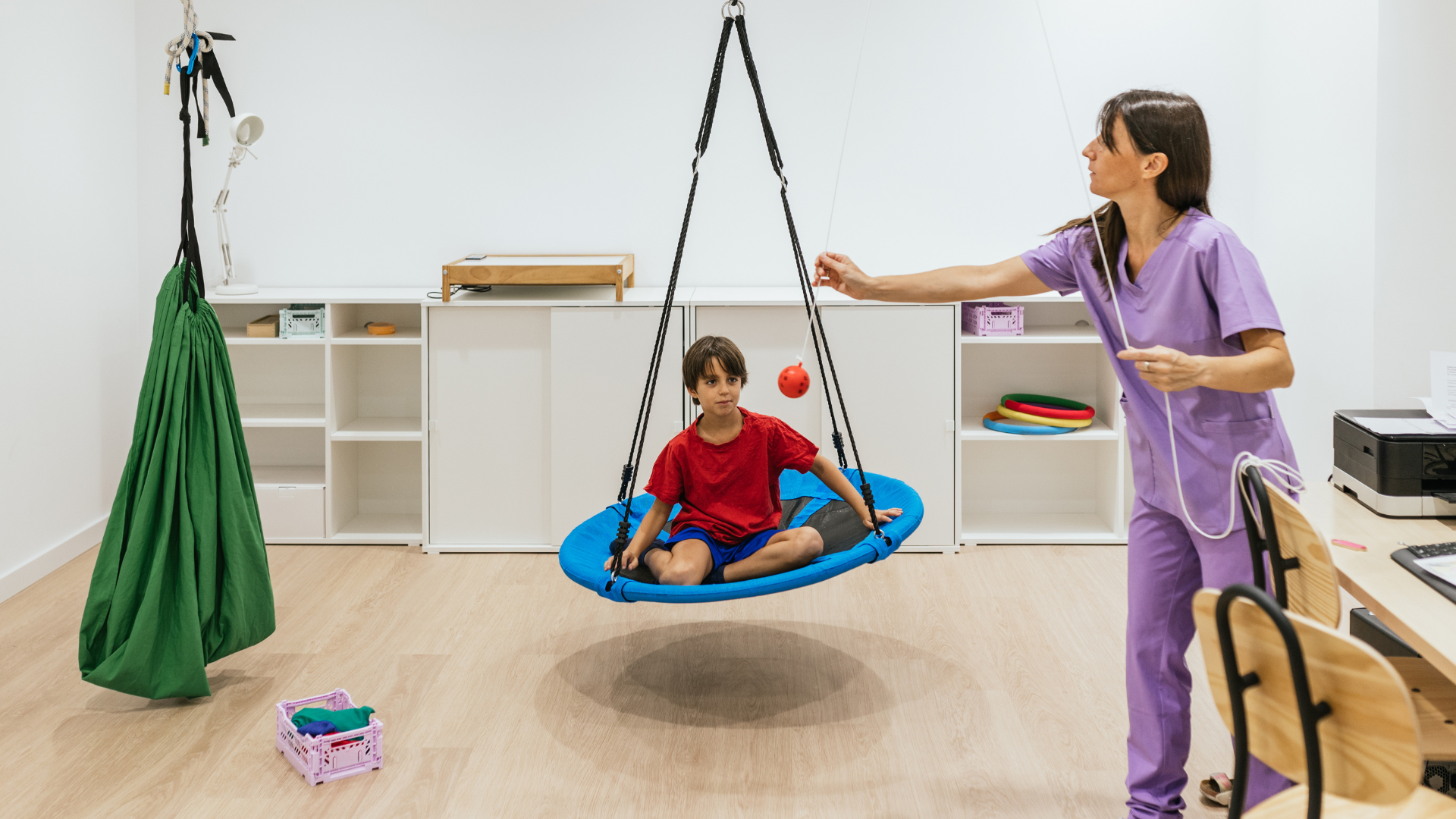
When a child struggles with everyday tasks, it can quietly impact the entire family. Pediatric Occupational Therapist
Getting dressed takes a long time. Mealtimes feel stressful. Transitions lead to meltdowns. Simple routines that seem automatic for other children require constant effort and support.
This is often where working with a pediatric occupational therapist can make a meaningful difference.
A pediatric occupational therapist focuses on helping children build the skills they need for daily life in ways that respect their development, nervous system, and individuality. Rather than targeting one isolated challenge, a pediatric occupational therapist looks at how a child moves through their world and what supports will help them feel more capable and confident.
In this article, we will explore how a pediatric occupational therapist supports everyday life skills, what occupational therapy looks like for children, and why this work can be so impactful at home.
What Does a Pediatric Occupational Therapist Do?
A pediatric occupational therapist helps children develop the skills needed to participate in daily activities, also known as occupations. For children, occupations include things like playing, dressing, eating, learning, and interacting with others.
The role of a pediatric occupational therapist is not to change who a child is. It is to support how they engage with their environment in ways that feel manageable and empowering.
A pediatric occupational therapist may support children with:
- Fine motor skills such as handwriting, buttoning, or using utensils
- Gross motor coordination and body awareness
- Sensory processing and regulation
- Emotional regulation and coping skills
- Daily routines like dressing, feeding, and hygiene
- Attention, focus, and task completion
- Play skills and social participation
What makes a pediatric occupational therapist unique is their whole-child perspective. They consider how sensory input, motor planning, emotional regulation, and environment all interact.
A pediatric occupational therapist does not ask, “Why can’t this child do this?” They ask, “What support does this child need to do this successfully?”
How a Pediatric Occupational Therapist Supports Everyday Life Skills
Everyday life skills are the foundation of independence. When these skills are hard, children can feel frustrated and parents can feel overwhelmed.
A pediatric occupational therapist works with children in ways that feel playful, supportive, and developmentally appropriate. Therapy sessions often look like play because play is how children learn best.
Here is how a therapist supports daily life skills in practical ways.
Supporting Self Care Skills
Tasks like dressing, brushing teeth, or feeding oneself require coordination, planning, and sensory tolerance.
A pediatric occupational therapist helps children:
- Improve hand strength and coordination
- Tolerate textures, sounds, and sensations involved in self care
- Break routines into manageable steps
- Build confidence through repetition and success
Over time, these supports help everyday routines feel less overwhelming.
Supporting Emotional Regulation
Many daily life challenges are connected to emotional regulation, not behavior.
A occupational therapist helps children understand their body signals and develop strategies to calm, focus, or energize themselves when needed.
This might include:
- Sensory-based calming activities
- Movement strategies for regulation
- Teaching children how to notice early signs of overwhelm
When emotional regulation improves, daily tasks often become easier.
Supporting Sensory Processing
Sensory processing differences can make everyday environments feel intense or unpredictable.
A therapist assesses how a child responds to sensory input and creates strategies to support regulation.
This may involve:
- Creating sensory routines
- Adjusting the environment
- Helping children find safe ways to meet sensory needs
Supporting sensory processing helps children engage more comfortably in daily life.
Supporting Play and Social Participation
Play is a critical part of childhood development and learning.
A pediatric occupational therapist uses play to support:
- Turn-taking and cooperation
- Body awareness and coordination
- Problem-solving and flexibility
- Engagement with peers
Through play, children build skills that transfer naturally into other areas of life.
Why Occupational Therapy Support Extends Beyond the Therapy Room
One of the most valuable aspects of working with a pediatric occupational therapist is that the support does not stop when the session ends.
A pediatric occupational therapist collaborates closely with families to:
- Explain why certain challenges are happening
- Offer realistic strategies for home routines
- Reduce stress and self-blame for caregivers
- Empower parents to support their child confidently
This partnership helps skills carry over into real-life settings where they matter most.
When Working With a Pediatric Occupational Therapist Can Help
Families often seek a therapist when everyday life feels harder than expected.
You may consider working with a pediatric occupational therapist if:
- Daily routines regularly lead to distress
- Your child struggles with sensory sensitivities
- Fine or gross motor tasks are challenging
- Emotional regulation feels difficult
- Transitions and changes are overwhelming
You do not need to wait for a crisis or diagnosis to seek support. A pediatric occupational therapist can help whenever a child or family needs extra guidance.
Pediatric Occupational Therapy Is About Building Confidence, Not Perfection
Working with a pediatric therapist is not about pushing children to meet rigid expectations. It is about helping them feel capable in their own bodies and confident in their daily lives.
A occupational therapist meets children where they are and builds skills gradually, with respect and care. Progress is measured not only by what a child can do, but by how they feel doing it.
When children feel supported rather than pressured, everyday life skills grow more naturally.
And often, that sense of confidence becomes just as important as the skills themselves.
Reach out today to learn about our services here at Building Blocks Pediatric Therapy.
source: https://my.clevelandclinic.org/health/diseases/14814-developmental-delay-in-children


