
When a child is referred to pediatric therapy, it often comes with a label — a diagnosis, a report, or a list of concerns. While diagnoses can be helpful for understanding and accessing support, they are never the whole story. Every child is so much more than a set of symptoms.
This is where therapy takes on its truest, most meaningful form.
Treating the whole child means looking beyond behaviors, milestones, or challenges and seeing the human being underneath — a child with feelings, strengths, fears, preferences, relationships, and a unique nervous system. It means asking not just “What is this child struggling with?” but “What does this child need to feel safe, supported, and understood?”
In this article, we’ll explore what pediatric therapy really means, what pediatric therapists do, and how to know when and how early a child can benefit from therapy — all through a compassionate, whole-child lens.
What Is the Meaning of Pediatric Therapy?
At its core, pediatric therapy is a supportive, individualized approach to helping children develop emotionally, physically, socially, and cognitively — in ways that honor who they are, not just what they struggle with.
Therapy is not about “fixing” a child. It is about supporting development, building skills, and strengthening a child’s ability to engage with the world in a way that feels manageable and empowering.
Rather than focusing only on isolated skills (like speech sounds or motor tasks), pediatric therapy considers the whole child:
- Their emotional world
- Their nervous system
- Their sensory needs
- Their relationships and environment
- Their strengths and interests
This whole-child approach recognizes that development does not happen in silos. A child’s emotional safety affects learning. Their sensory regulation affects behavior. Their connection with caregivers affects confidence and growth.
In effective pediatric therapy, progress is not measured only by charts or milestones — it is seen in moments like:
- A child feeling calmer in their body
- A child communicating needs more clearly
- A child engaging with peers more comfortably
- A child discovering joy, confidence, or self-trust
True pediatric therapy meets children where they are and walks alongside them, rather than pushing them to fit into rigid expectations.
What Does a Pediatric Therapist Do?
A pediatric therapist wears many hats — but above all, they are observers, collaborators, and advocates for the child.
What a pediatric therapist does depends on the child’s needs, but their role always centers on supporting development in a way that feels safe, respectful, and attuned.
Pediatric therapists may support children with:
- Emotional regulation and coping skills
- Sensory processing differences
- Speech and communication development
- Motor skills and coordination
- Social interaction and play skills
- Anxiety, stress, or behavioral challenges
- Developmental delays or neurodivergence
But just as importantly, pediatric therapists work with families, not just children.
They help caregivers understand why certain behaviors are happening, not just how to respond to them. They translate behavior into communication. They help parents shift from self-blame or confusion into clarity and confidence.
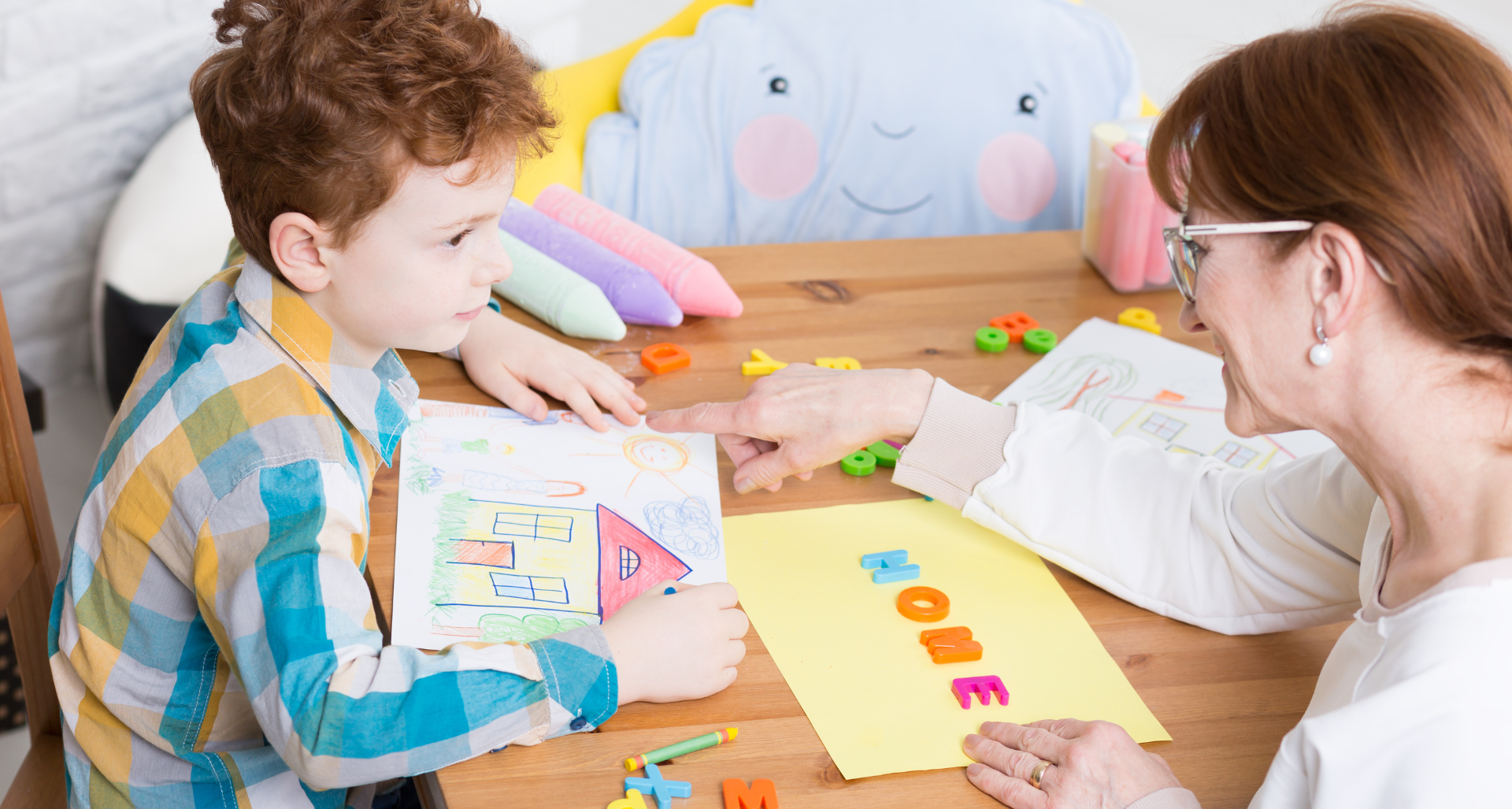
In pediatric therapy, sessions often look like play — because play is a child’s natural language. Through play, movement, creativity, and connection, therapists gently support growth without pressure or shame.
A skilled pediatric therapist:
- Builds trust before demanding change
- Follows the child’s lead while guiding development
- Adjusts strategies based on the child’s nervous system
- Honors the child’s autonomy and individuality
Rather than asking, “How do we make this behavior stop?” pediatric therapy asks, “What is this behavior telling us?”
When Should a Child Start Pediatric Therapy?
One of the most common questions parents ask is: “Is it too early?”
The truth is — pediatric therapy can be helpful whenever a child or family needs support.
There does not need to be a severe diagnosis or crisis to benefit from pediatric therapy. Many families seek support when they notice:
- Ongoing emotional meltdowns or shutdowns
- Difficulty with transitions or routines
- Delays in speech, movement, or social engagement
- Sensory sensitivities impacting daily life
- Anxiety, fearfulness, or withdrawal
- Challenges at school or in peer relationships
Pediatric therapy is not only for moments when something feels “wrong.” It is also for moments when something feels hard — and you don’t want to navigate it alone.
Early pediatric therapy can help prevent small challenges from becoming bigger ones by offering tools, understanding, and support early on. It can also bring relief to families who have been carrying worry, uncertainty, or overwhelm.
If you’re asking whether pediatric therapy might help, that question itself is often enough reason to explore it.
At What Age Can a Child Start Therapy?
Children can begin pediatric therapy at virtually any age, including infancy.
Early intervention pediatric therapy often starts in the first years of life, when a child’s brain and nervous system are highly adaptable. Supporting regulation, communication, and connection early can have long-lasting positive effects.
That said, pediatric therapy is valuable at every stage of childhood:
- Infants may benefit from support with feeding, sensory regulation, or bonding
- Toddlers may receive help with communication, transitions, or emotional expression
- Preschoolers may work on play skills, regulation, or early learning readiness
- School-aged children may focus on emotional coping, confidence, or peer relationships
- Adolescents may benefit from support with identity, anxiety, and self-expression
There is no “too late” when it comes to pediatric therapy. Growth and healing remain possible throughout development.
What matters most is not the child’s age — but whether they feel supported, understood, and safe in the process.
Treating the Whole Child Means Treating the Whole Family
A truly compassionate pediatric therapy approach understands that children do not exist in isolation. Their growth is deeply connected to the relationships and environments around them.
That’s why effective pediatric therapy includes caregivers as partners. Parents are not expected to be perfect — they are supported, guided, and empowered.
Whole-child therapy helps families:
- Understand their child’s nervous system and behavior
- Learn practical, realistic strategies for daily life
- Reduce shame and self-blame
- Build stronger, more connected relationships
It reminds parents that they are not failing — they are learning alongside their child.
It Is About Connection, Not Correction
At its heart, pediatric therapy is about connection.
It is about seeing the child beneath the diagnosis. It is about slowing down, listening deeply, and responding with curiosity rather than control. It is about helping children feel safe enough to grow — emotionally, physically, and relationally.
When we treat the whole child, we honor their humanity. We recognize that development is not a race, behavior is communication, and healing happens in relationship.
Pediatric therapy, when done with compassion and attunement, becomes more than an intervention — it becomes a space where children are understood, families are supported, and growth unfolds naturally.
And sometimes, that understanding alone is the most powerful therapy of all.
Reach out today to learn about our services here at Building Blocks Pediatric Therapy.


